
We partner with purpose-led organizations to turn your core values into intentionally crafted environments and clear visual narratives.
Our Ethos
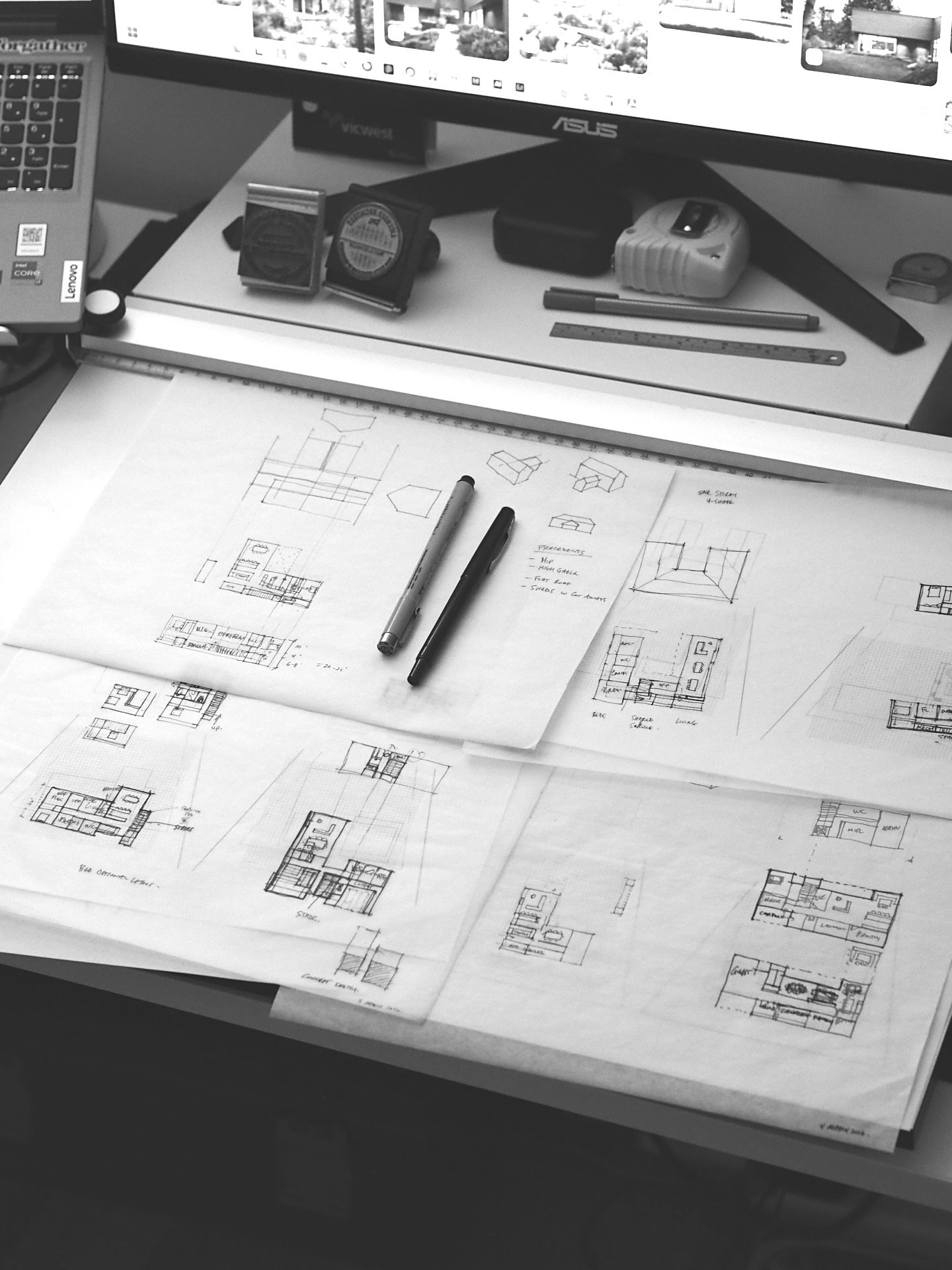
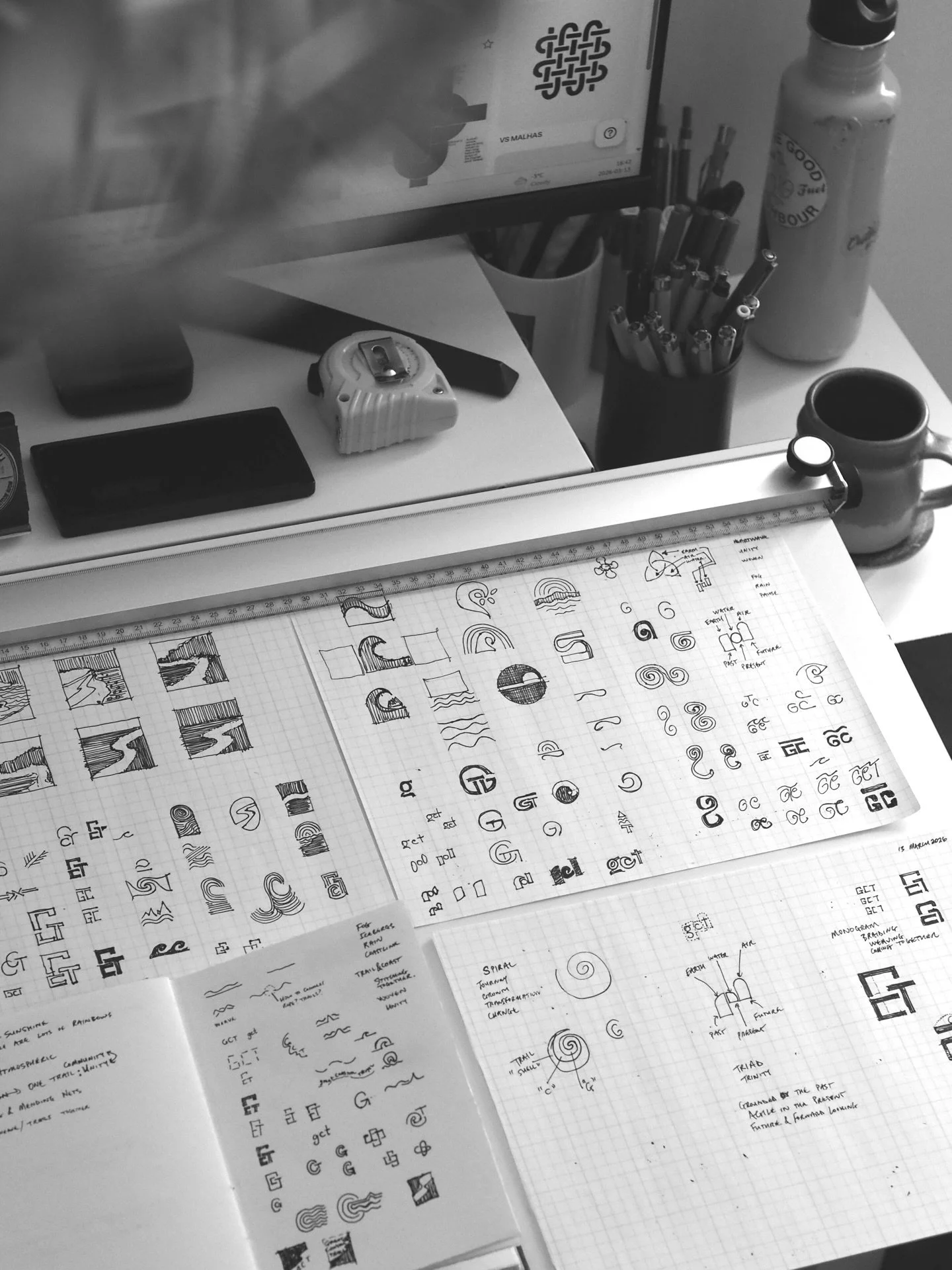
We believe the next generation of buildings and brands must connect people to their value system. Our most successful projects act like a mirror and reflect the important parts of the community back those who engage with it. People feel connected when they feel seen and can see themselves reflected back.
Three Core Features of our Process
Values-based design
Accessibility and inclusion
Conservation planning
Values-based design
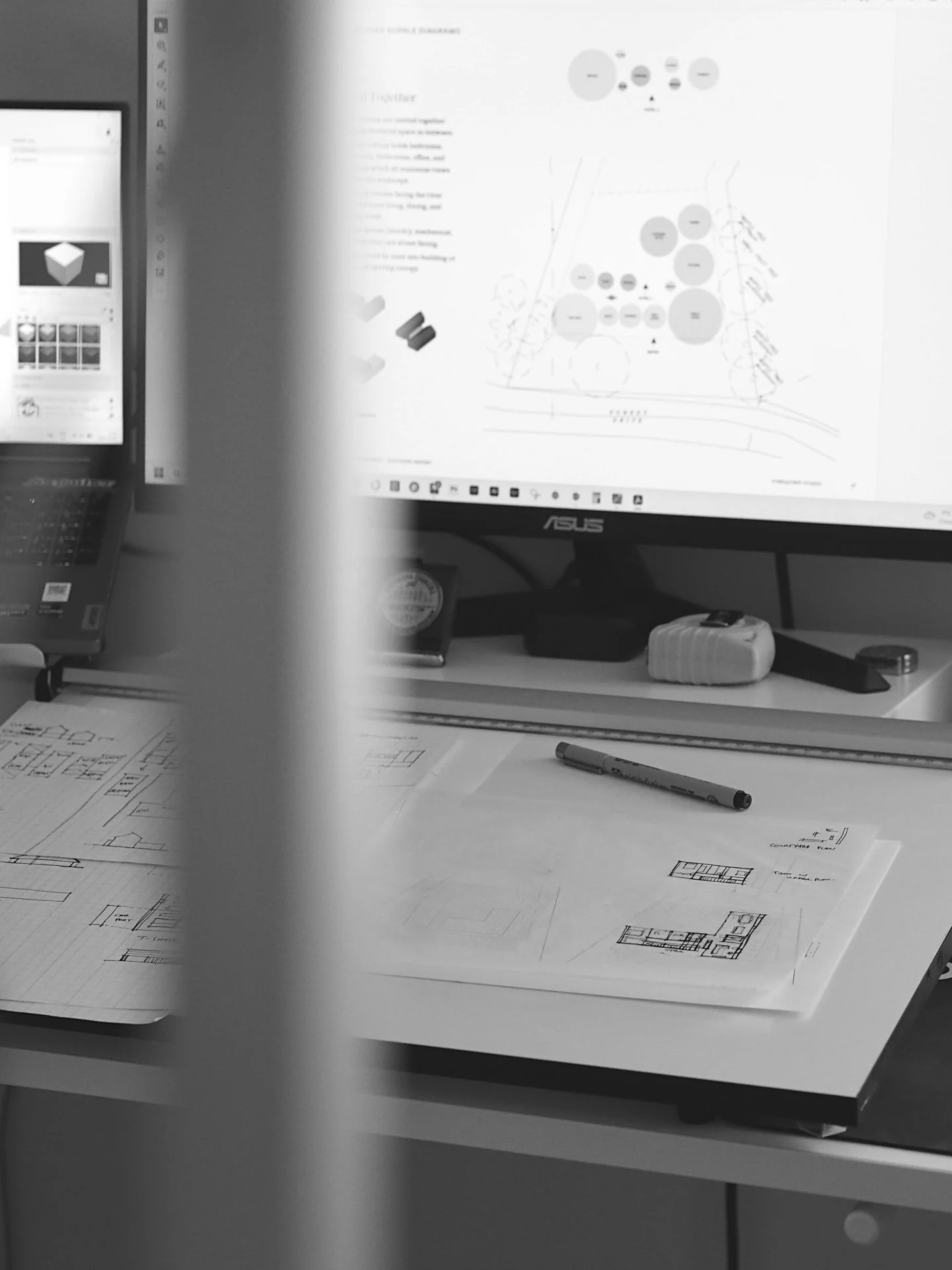
Aligning design decisions with a core value system is the foundation of a successful project that delivers big community impact. In the early stages of our projects, we use strategy sessions to workshop the values of users and the community as a whole.
In the case of a Public Library, your core values might include community, integrity, recognition, stewardship, and inclusivity. Through the exploration of what these values represent we strengthen our understanding and the design emerges. As we develop the design, we check our decisions for alignment to ensure a match or correct course if required. By using this map, we can look back feeling satisfied at project delivery.
Accessibility & Inclusion
We are strong advocates for meaningful access, and the Rick Hansen Foundation focuses on the holistic experience of people with varying disabilities including mobility, vision, hearing, and neurodiversity. Their framework for accessibility and inclusion is based on three aspects: raising awareness, changing attitudes, and removing barriers (physical, social, and systemic obstacles).
Our team is trained as RHF Accessibility Certification Professionals and can implement this comprehensive framework to provide a holistic analysis of visitor experience and accessibility. We can provide guidance beyond the minimums for best practices in utilizing or adapting your project.
Conservation Planning
When working with Heritage Buildings, there is a secondary values system at play: heritage value. The Canadian Register of Historic Places defines heritage value as: aesthetic, historic, scientific, cultural, social or spiritual importance or significance for past, present or future generations. Our team has experience navigating formal and informal values, bringing a balanced approach to conservation planning.
The process of developing a conservation plan works in parallel to our values-based design approach. We have experience writing heritage impact assessments, statements of significance, and navigating the extensive landscape of heritage charters, principles, guidelines, and standards. Using these as a guide, we will work with the community and users to identify their heritage values. It is important to understand best practices in built heritage and cultural landscapes to integrate these values into the project.